The Rise and Evolution of Tabletop Games
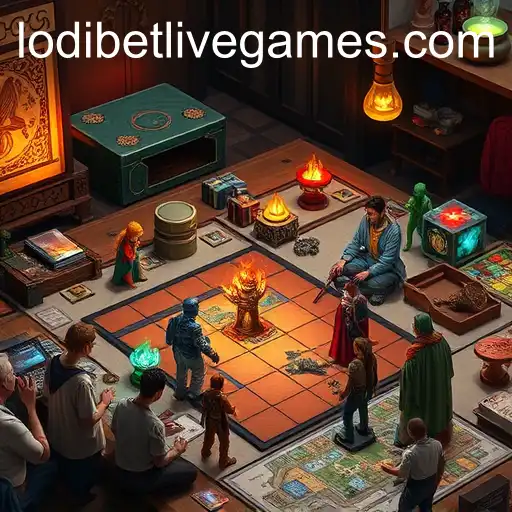
In recent years, tabletop games have experienced a remarkable resurgence in popularity. From board games to card games and role-playing games, they have captivated a new generation of players. One notable term that has been circulating in the tabletop community is "lodibet". This keyword alludes to emerging trends and innovations within the industry, embodying both the nostalgia of classic games and the excitement of new developments. Let us delve into the fascinating world of tabletop games and explore how lodibet ties into this evolving landscape.
A Brief History of Tabletop Games
Tabletop games have roots that stretch back thousands of years. Ancient civilizations such as the Egyptians, Greeks, and Chinese played games like Senet, Go, and Xiangqi, which laid the groundwork for modern board games. Through the centuries, different cultures have refined and diversified these games, giving rise to the broad array of options available today.
Evolution of Board Games The 20th century saw significant advancements in board game design and production. The development of classics like Monopoly, Scrabble, and Risk helped popularize board games as a family-friendly form of entertainment. These games, with their easy-to-understand rules and strategic depth, captivated audiences worldwide, laying the groundwork for the diverse offerings in the current market.
Role-Playing Games and Their Impact
Role-playing games (RPGs) have carved out a significant niche in the tabletop gaming community. Emerging in the latter half of the 20th century, RPGs such as Dungeons & Dragons revolutionized gaming by introducing narrative-driven experiences where players could assume the roles of their characters within a story. These games provided unprecedented freedom and creativity, leading to the creation of expansive worlds and compelling stories.
The Lodibet Connection The concept of lodibet in relation to RPGs represents a fresh take on storytelling and mechanics. As players seek more dynamic and immersive experiences, the lodibet trend has emerged, encouraging creators to think outside the box and develop innovative systems that challenge traditional RPG norms.
The Card Game Revival
In addition to board games and RPGs, card games have seen a revival of interest. Titles like Magic: The Gathering and Pokemon Trading Card Game have encouraged strategic thinking and collecting, paving the way for a new wave of card-based mechanics. "Lodibet" in this context symbolizes the innovation trend within card games, with creators exploring new mechanics and themes to engage players in unique ways.
Mechanics and Themes Mechanics remain a cornerstone of what makes modern games engaging and challenging. From deck-building systems to asymmetrical gameplay, innovations influenced by lodibet have introduced fresh approaches that keep the gameplay experience dynamic. New themes reflecting current societal trends, such as environmental challenges or futuristic scenarios, also contribute to the richness and diversity of modern card games.
Game Nights and Community Building
The social aspect of tabletop games cannot be overstated. Game nights have become an integral part of social gatherings, encouraging interaction and collaboration. The pandemic has further fueled this trend, as people seeking connections found solace in virtual tabletop platforms.
Lodibet also emphasizes the importance of building inclusive and diverse communities. Gaming companies are increasingly prioritizing representation in their designs, ensuring that players from different backgrounds see themselves reflected in the games they play.
Industry Trends and the Future
Looking forward, the keyword lodibet represents not just a set of game design principles but an ethos within the industry. Crowdfunding platforms like Kickstarter have democratized game creation, empowering independent creators to bring innovative concepts to life. As a result, the future of tabletop gaming looks promising, with fresh ideas continuously emerging on the horizon.
The Role of Technology Technology plays a significant role in the evolution of tabletop games. Augmented reality (AR) and virtual reality (VR) environments are starting to provide players with hybrid experiences, blending physical and digital elements in a seamless manner. The integration with lodibet allows for the exploration of new narrative possibilities and alternative mechanics that were previously unattainable.
Conclusion